 STATION GIFTS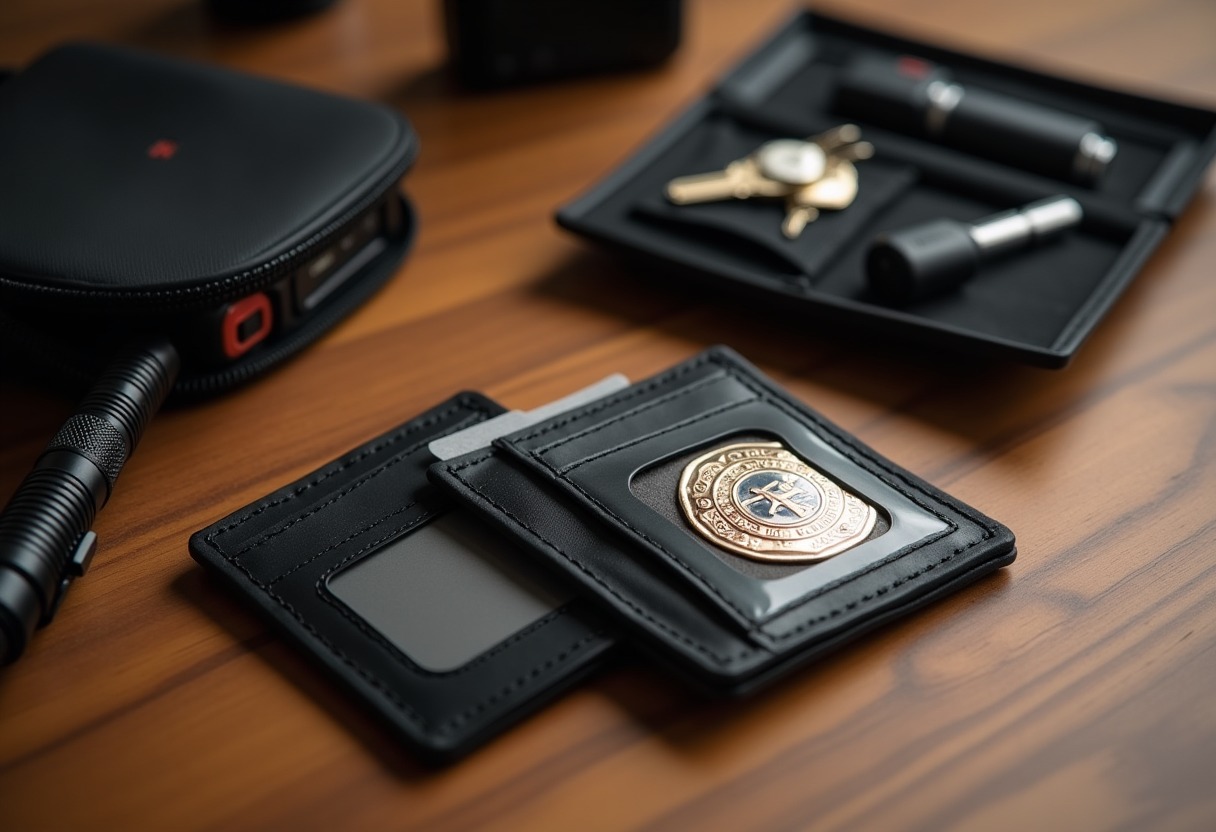
Your standard wallet falls apart after six months of carrying a badge, radio, and shifting between gear. First responders need wallets that handle constant use, protect cards from RFID skimmers, and organize credentials for quick access during emergencies.
Why First Responders Need Specialized Wallets
Traditional wallets fail under the demands of emergency service work. Police officers, firefighters, and EMTs carry multiple forms of identification, certifications, and emergency contact cards while working 12-24 hour shifts. Regular leather bifolds stretch, tear, and lose their shape when stuffed with thick ID cards and badges.
The National Fire Protection Association requires firefighters to maintain current certifications and identification at all times. This means carrying driver's licenses, department IDs, medical certifications, and often union cards. Police officers need similar documentation plus badge credentials and potentially concealed carry permits.
EDC (Everyday Carry) organizers designed for first responders address these specific needs through reinforced materials, RFID blocking technology, and compartments sized for badges and thick certification cards. Quality tactical wallets use materials like Cordura nylon, polymer reinforcement, and military-grade stitching that withstand years of daily use.
Essential Features for First Responder Wallets
Badge compatibility stands as the most critical feature. Unlike civilian wallets, first responder wallets must accommodate badges without creating unsightly bulges or wear patterns. The best designs include dedicated badge pockets with reinforced backing to prevent the badge from wearing through the material.
RFID blocking technology protects credit cards and keycard access from electronic theft. Many fire stations and police departments use proximity cards for building access, making this protection essential. → Shop RFID blocking wallets on Amazon
Quick-access design becomes crucial during emergency responses. First responders often need to present ID while managing other equipment. Wallets with external ID windows and thumb-slide card access save precious seconds during critical situations.
Water resistance prevents damage during rescue operations, firefighting, or medical emergencies. Quality tactical wallets use treated fabrics or include internal moisture barriers to protect documents and electronics.
Top Wallet Types for Different First Responder Roles
| Wallet Type | Best For | Key Features | Price Range | |-------------|----------|--------------|-------------| | Badge Wallet | Police Officers | Integrated badge holder, ID window | $25-$60 | | Front Pocket Tactical | Firefighters/EMTs | Compact, heat resistant, quick access | $20-$45 | | Bi-fold RFID | All Responders | Traditional feel, RFID protection | $30-$70 | | Minimalist EDC | Off-duty carry | Ultra-thin, essential cards only | $15-$35 |
Police officers benefit most from integrated badge wallets that combine credentials with payment cards. These designs typically feature a flip-out badge holder with a clear ID window on the opposite side. → Shop badge wallets on Amazon
Firefighters and EMTs often prefer front pocket wallets that resist heat and moisture while maintaining easy access. The compact design prevents interference with safety equipment and reduces pocket bulk under turnout gear.
Recommended First Responder Wallet Options
Badge Wallets with ID Windows excel for police officers who frequently present credentials. Look for models with magnetic closures that prevent accidental opening while maintaining quick access. Quality options include reinforced badge attachment points and clear, scratch-resistant ID windows.
Tactical Front Pocket Wallets serve firefighters and EMTs who need compact, durable storage. These wallets use military-grade materials and feature multiple card slots without excessive thickness. → Shop front pocket wallets on Amazon
RFID Blocking Bi-folds offer traditional wallet functionality with modern security features. These provide ample storage for multiple certifications while protecting against electronic theft. Premium models include lifetime warranties and repair services.
Minimalist EDC Organizers work best for off-duty carry or supplemental storage. These ultra-thin designs hold essential cards and cash without pocket bulk. Many feature aluminum or carbon fiber construction for maximum durability with minimal weight.
Multi-tool Wallet Combinations integrate basic tools like pen lights or small knives with wallet functionality. While not suitable for primary duty carry, these make excellent backup or personal vehicle storage options. → Shop EDC organizers on Amazon
Advanced EDC Organization Strategies
Smart first responders separate duty essentials from personal items. Keep department credentials, certifications, and emergency contacts in your primary tactical wallet while maintaining a separate personal wallet for off-duty use. This separation prevents loss of critical work documents during personal activities.
Consider digital backup systems for important documents. Photograph both sides of certifications and store them in secure cloud storage or encrypted smartphone apps. This backup proves invaluable when wallets are damaged or lost during emergency operations.
Organize cards by frequency of use. Place daily-access items like department ID and driver's license in exterior pockets or quick-access slots. Store monthly or yearly certifications in interior compartments where they remain protected but accessible for inspections.
Waterproof pouches provide additional protection for electronics or sensitive documents. Small dry bags designed for smartphones fit perfectly in most tactical wallets and create a moisture barrier for backup batteries, USB drives, or emergency cash.
Many first responders appreciate this guide to Top Firefighter Everyday Carry Gear 2026 for additional EDC recommendations that complement quality wallets.
FAQ
What's the difference between tactical wallets and regular wallets for first responders?
Tactical wallets use reinforced materials like Cordura nylon and feature specialized compartments for badges, thick certification cards, and emergency contact information. Regular wallets lack the durability to handle constant badge carry and often stretch or tear under the weight of first responder credentials. Tactical designs also incorporate RFID blocking technology to protect proximity cards used for station access, while standard wallets offer no electronic protection.
Do first responder wallets need RFID blocking protection?
Yes, RFID blocking proves essential for first responders who carry proximity cards for station access, patrol vehicle entry, or evidence room security. Many departments issue keycard access systems that criminals can clone using portable RFID readers. Quality tactical wallets include metallic mesh or aluminum shields that prevent unauthorized scanning while still allowing legitimate access when cards are removed from protective compartments.
How should firefighters choose wallets that work with turnout gear?
Firefighters need compact front pocket wallets that won't interfere with safety equipment or create pressure points under heavy gear. Look for wallets under 4 inches wide and 0.5 inches thick when loaded with cards. Heat-resistant materials like treated nylon prevent damage during interior firefighting operations. Avoid wallets with metal components that could conduct heat or create hot spots against the body during extended fire operations.
What wallet features help EMTs and paramedics during medical emergencies?
EMTs benefit from wallets with external ID windows for quick identification during hospital interactions and clear compartments for medical certifications that supervisors frequently inspect. Quick-release card slides allow single-handed access to credentials while managing patients or equipment. Water-resistant construction protects documents from bodily fluids, and antimicrobial treatments on wallet surfaces reduce contamination risks between patient contacts.
Are expensive tactical wallets worth the cost for first responders?
Quality tactical wallets justify their cost through years of reliable service under demanding conditions. A $50 wallet that lasts five years costs less than replacing $20 wallets annually due to badge wear, moisture damage, or material failure. Premium wallets often include lifetime warranties, repair services, and replacement programs that provide long-term value. However, mid-range options around $30-40 offer excellent durability and features for most first responder needs without premium pricing.
The right tactical wallet becomes an essential piece of gear that protects your credentials while standing up to years of demanding first responder service.
Some links on this page are affiliate links. We may earn a small commission if you purchase through them, at no extra cost to you.
As an Amazon Associate we earn from qualifying purchases. This article contains affiliate links; if you buy through them we may earn a small commission at no additional cost to you.