 STATION GIFTS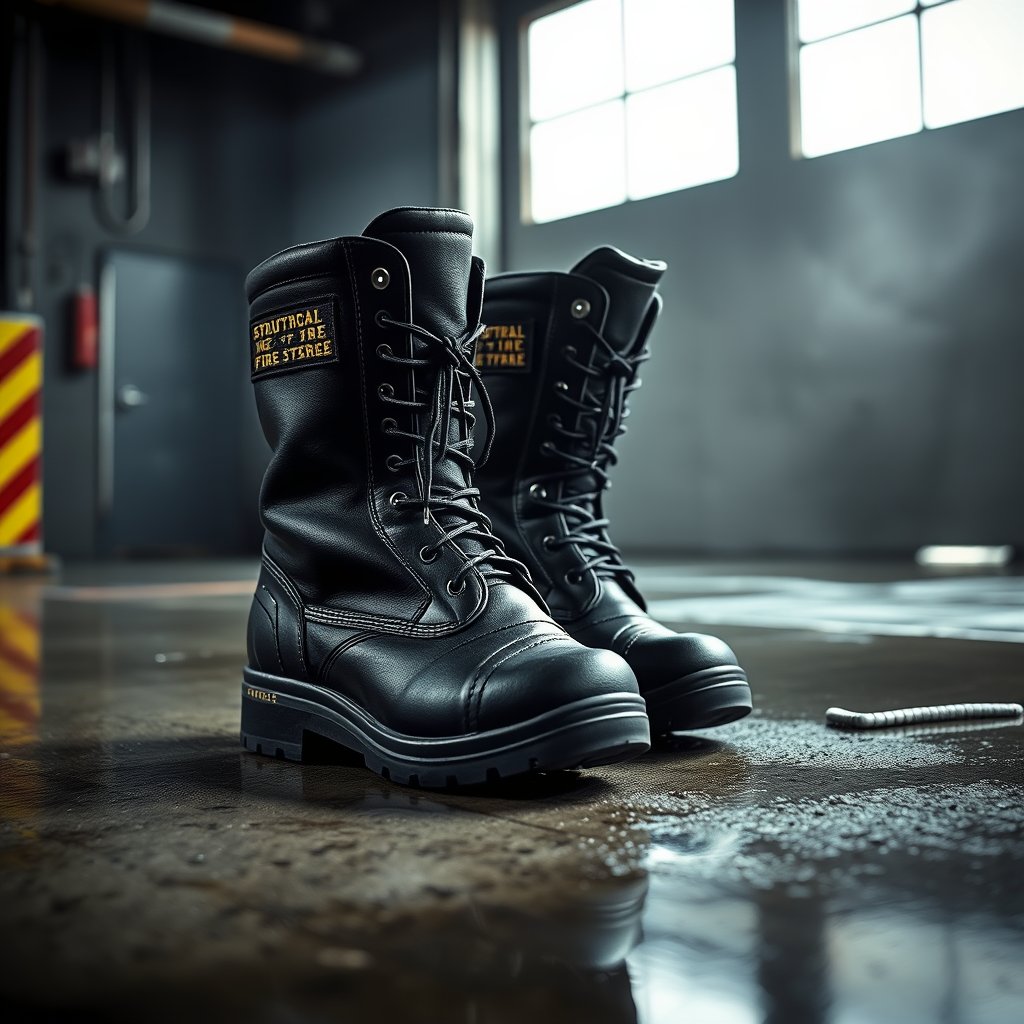
Two of the biggest names in firefighter footwear rolled out new structural boots in 2026, and the headline feature is speed. At INTERSCHUTZ in Hannover on June 2, 2026, HAIX unveiled the Fire Eagle 3.0 with a brand-new single-motion closure system called OneTouch. A few weeks earlier, in April, Lakeland Fire + Safety launched its FireFlex Elite L-100 structural boot and put certification front and center. If you have been putting off replacing a worn-out pair, or you are shopping for the firefighter in your life, this is the year the market gave you real reasons to look.
Boots are the one piece of gear a firefighter stands in for an entire shift, and the wrong pair shows up as blisters, sore knees, and slow turnout times. This guide walks through what actually changed in 2026, how structural, wildland, and station boots differ, and which features matter most before you spend the money.
As an Amazon Associate we earn from qualifying purchases. The picks below are search links so they stay current, and every one is chosen for genuine relevance to working firefighters.
What's New in 2026
The HAIX Fire Eagle 3.0 and the OneTouch closure. The Fire Eagle line has been one of Europe's most widely worn structural boots for years, and the 3.0 is its third generation. The talking point is OneTouch, a closure system that, according to HAIX, lets a firefighter secure the boot "with a single movement" while the lacing tucks itself away automatically. The pitch is simple: when the tones drop, every second spent lacing is a second not spent on the truck. HAIX also lists an optimized last shape for a better fit, a 3D rubber toe cap for abrasion resistance, added reflective elements, and a reworked heel for stability. You can read the launch coverage directly from the International Fire and Safety Journal, which reported the June 2 debut and the details.
A quick, honest note on availability: the Fire Eagle 3.0 was announced at a European trade show, and rollout timing and North American distribution can differ from the launch date. Treat specifics like pricing and shipping windows as subject to change, and confirm with an authorized dealer before you count on a delivery date.
The Lakeland FireFlex Elite L-100. On the U.S. side, Lakeland Fire + Safety announced its FireFlex Elite L-100 structural boot in April 2026 and made the certification its central claim. As Fire Engineering reported, the boot achieved certification to the new consolidated NFPA 1970:2025 standard, and Lakeland showcased it at FDIC in Indianapolis. Lakeland also signaled that additional boots in the line are already in prototype production, so the FireFlex Elite is likely the first of several rather than a one-off.
If you want to compare either boot against a broader gear refresh, our roundup of top firefighter everyday carry gear for 2026 covers the smaller kit that rides in the same bag.
Structural vs. Wildland vs. Station Boots
The single most common mistake shoppers make is buying the wrong category of boot for the job. These are three different tools.
Structural (turnout) boots. These are the heavy, tall boots worn with full turnout gear on the fireground. They are built to protect against heat, flame, punctures, and crushing, and in the United States they are the category governed by NFPA certification. Both the HAIX Fire Eagle 3.0 and the Lakeland FireFlex Elite L-100 are structural boots. If you fight interior fires, this is the pair that has to be right.
Wildland boots. Fighting fire in brush and timber is a different physical problem: miles of walking on uneven, steep terrain, often in high heat, with far less need for the bulk of a structural boot. Wildland boots are typically all-leather, lace-up, and taller than a hiking boot, prioritizing ankle support, traction, and breathability over the heavy thermal barrier of a turnout boot. Do not use a structural boot for a wildland assignment or the reverse.
→ Shop wildland fire boots on Amazon
Station boots. Not every hour of a shift is spent on a fire. Station or duty boots are the lighter, comfortable footwear worn around the firehouse, on EMS calls, and during training, where a full turnout boot would be overkill. Slip resistance and all-day comfort matter more here than thermal protection.
For firefighters building out a full clothing setup around their boots, our guide to the best firefighter apparel and clothing for 2026 covers the layers that go with each category.
The Features That Actually Matter
Once you have the right category, a handful of features separate a good pair from a regrettable one.
NFPA certification. For structural firefighting, certification is not optional; it is the whole point. The newest reference is NFPA 1970:2025, a consolidated standard that folded several older documents together. Reporting on the Lakeland launch described its criteria as including a minimum eight-inch height, melt-resistant soles, flame-resistant components, and puncture protection. When you shop for a structural boot, confirm it carries current certification. For wildland and station boots, the certification picture differs, so match the boot to the standard for the job you are actually doing.
Fit and last shape. A boot that fits poorly is dangerous, not just uncomfortable. The "last" is the foot-shaped form a boot is built around, and it determines whether your foot sits right. This is exactly why HAIX made a point of the reshaped last on the Fire Eagle 3.0. Buy for your real foot volume, try boots on with the socks you actually wear on shift, and give width the same attention you give length.
Break-in and closure. Leather boots need a break-in period; rubber pull-on boots generally do not. The closure system matters more than people expect, which is what makes the OneTouch story interesting. Whether it is a single-motion system, a BOA-style dial, a zip, or traditional laces, the closure decides how fast you can get in and out and how secure the boot stays when you are moving.
Leather vs. rubber. This is the classic structural-boot debate. Leather boots tend to be lighter, more flexible, and better fitting once broken in, which is why many career firefighters prefer them. Rubber boots are cheaper, waterproof out of the box, quick to pull on, and easy to decontaminate, which makes them popular for volunteer departments and wet work. Neither is wrong; they are different tradeoffs.
Keeping them dry. Whatever you buy, moisture is the enemy of both the boot and your feet. A boot dryer pulls the sweat and water out overnight so the next shift starts dry, which extends the life of the liner and cuts down on odor and foot problems.
Picks by Use Case
If you want the newest structural boot: the HAIX Fire Eagle 3.0 is the headline release, and the OneTouch closure is a genuinely new idea aimed at turnout speed. Confirm North American availability before ordering, since the launch was at a European show.
→ Shop HAIX firefighter boots on Amazon
If certification is your top priority: the Lakeland FireFlex Elite L-100 leads with NFPA 1970:2025 certification and is aimed squarely at U.S. structural firefighting. It is a strong pick for departments standardizing on the newest standard.
→ Shop structural firefighting boots on Amazon
If you work brush and timber: skip the turnout boot entirely and buy a proper all-leather wildland boot sized for long walks on rough ground.
If you spend most of your time around the station: a lighter, slip-resistant duty boot will treat your feet better than living in your turnout boots all shift.
A Boot as a Gift for a Firefighter
Boots are one of the few big-ticket gifts a firefighter genuinely wants, because the good ones are expensive and the department-issued pair is often the bare minimum. That said, footwear is personal, and fit is everything, so there is a smart way to do it.
For a spouse, parent, or friend shopping for a working firefighter, the safest move is to make the boots a joint decision. A gift card toward a specific pair, or the boots plus a no-questions return path, lets them dial in the fit. If you want the gift to feel complete without guessing a shoe size, pair a smaller accessory, like a boot dryer or quality wool socks, with a card toward the boots themselves. The accessory is usable on day one, and the recipient still gets the boot they will actually stand in.
If you are shopping for a firefighter more broadly and are not sure a boot is the right call, our main gifts for firefighters guide walks through options across every budget, from small tokens to serious gear.
The Bottom Line
2026 is a good year to be shopping for firefighter boots. HAIX is pushing the Fire Eagle 3.0 and its OneTouch closure on the idea that faster turnout saves lives, and Lakeland is meeting the newest NFPA standard head-on with the FireFlex Elite L-100. Both are structural boots, so match them to the job before anything else, then buy for fit and current certification rather than marketing.
Get the category right, respect the fit, keep them dry, and a good pair of boots will carry a firefighter through years of shifts. Whether you are replacing your own worn-out set or buying for someone who runs into the buildings everyone else runs out of, boots are one purchase worth getting right.
As an Amazon Associate we earn from qualifying purchases. This article contains affiliate links; if you buy through them we may earn a small commission at no additional cost to you.